
Why Did My Floor Jack Ship Without Hydraulic Fluid: Causes and Initial Setup Guide for 2026
Learn why did my floor jack ship without hydraulic fluid and how to properly fill and bleed your garage jack in November 2026.
 By Emily Markham
Updated October 28, 2026
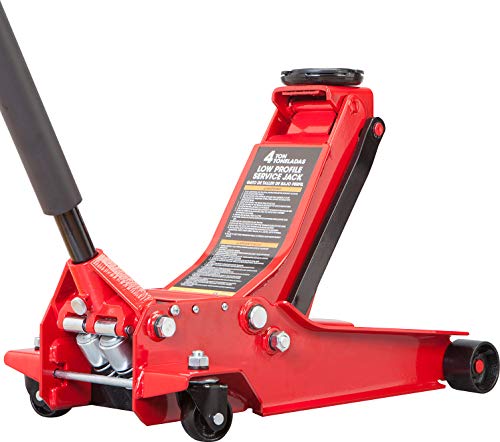

Unboxing a brand-new automotive service jack should inspire confidence, but discovering an empty oil reservoir or dry pump piston stops garage projects in their tracks. Many home mechanics wonder why did my floor jack ship without hydraulic fluid when unpacking equipment intended for immediate lifting tasks. While some tools arrive dry due to freight regulations, apparent fluid shortages often trace back to transit air locks or sealed shipping plugs rather than missing factory oil. When organizing your garage workspace, reviewing safe underbody vehicle support methods helps ensure every lifting session remains protected against unexpected hydraulic pressure drops.
Understanding how manufacturers prepare heavy hydraulic cylinders for transit prevents costly mistakes during initial garage setup. Adding incorrect oil or pumping a dry hydraulic cylinder without inspecting factory seals can permanently damage internal valves. Structural safety always depends on proper fluid maintenance and strictly pairing your jack with mechanical stands. Here is how modern hydraulic floor jacks handle initial packaging, transit regulations, and fluid replenishment.
| Award | Product | BJL Score About BJL ScoreThe BJL Score is our own rating from 0 to 10, based on performance, design and build, ease of use, and value. It reflects independent research and is never influenced by manufacturers, retailers, or affiliate commissions. Learn more › | |
|---|---|---|---|
| Best Overall |
BIG RED 4-Ton Low Profile Floor Jack
|
9.2/10 | Buy |
| Best Budget |
 KOERZORE 2.5-Ton Low Profile Floor Jack |
8.9/10 | Buy |
| Best Premium |
 Antlevix 3-Ton Low Profile Floor Jack |
8.9/10 | Buy |
| Best Value |
 Jack Boss 3-Ton Low Profile Floor Jack |
8.8/10 | Buy |
 AUTOWN 3-Ton Hydraulic Floor Jack |
8.6/10 | Buy | |
 AUTOWN 3 Ton Hydraulic Floor Jack |
8.0/10 | Buy |
BIG RED 4-Ton Low Profile Floor Jack
Engineered for both low-clearance cars and heavy-duty trucks, this hydraulic jack delivers an 8,000-pound capacity with a versatile 3-7/8 to 20-inch range. The dual-piston pump speeds up lifting significantly, while a wide steel stance provides dependable stability during garage maintenance.
Pros
- Low 3-7/8 inch minimum clearance height
- Fast dual-piston lifting mechanism
- Substantial 4-ton load capacity
- Smooth maneuvering with 360-degree swivel casters
- Built-in safety overload bypass system
Cons
- Very heavy at over 100 pounds
- Large 31-inch frame demands substantial storage space
- Manufacturer warranty is limited to one year
KOERZORE 2.5-Ton Low Profile Floor Jack
Built with a low 3.4-inch minimum clearance and a 2.5-ton capacity, this compact hydraulic floor jack easily slides under low-slung sedans and standard crossovers. Weighing under 29 pounds with a detachable pump handle, it delivers solid portability for routine garage repairs and roadside tire changes.
Pros
- Low 3.4-inch clearance accommodates low-profile vehicles
- Lightweight 28.5-pound frame makes transport effortless
- Built-in safety bypass valve protects against overload
- Rubber saddle pad prevents vehicle undercarriage damage
Cons
- 15.2-inch maximum lift may not suit high-clearance trucks
- 2.5-ton limit excludes heavy-duty commercial vehicles
Antlevix 3-Ton Low Profile Floor Jack
With a low 2.9-inch minimum clearance and dual-piston rapid lifting, this 3-ton hydraulic jack easily slides under lowered vehicles and raises them up to 19.8 inches. Its rigid steel build ensures dependable stability, though the 62-pound weight makes frequent transport more demanding.
Pros
- Low 2.9-inch clearance fits lowered vehicles
- High 19.8-inch maximum lift reach
- Dual-piston pump provides fast lifting speed
- Rigid steel construction ensures lifting stability
Cons
- Heavy 62-pound weight reduces portability
- Bulky frame requires significant storage space
Jack Boss 3-Ton Low Profile Floor Jack
Built with a low 3-1/8-inch minimum clearance and an expansive 20-inch maximum lift, this dual-pump hydraulic jack delivers quick lifting and controlled lowering for cars, SUVs, and light trucks. Its heavy steel construction and rotating rear casters provide garage mechanics with dependable positioning and stability during routine maintenance.
Pros
- Low 3-1/8 inch profile clears lowered chassis
- Dual pumps lift vehicles quickly and efficiently
- Generous 20 inch maximum lift suits higher vehicles
- Controlled descent prevents abrupt drops
- Durable steel build with protective anti-corrosion coating
Cons
- Solid steel build adds noticeable weight during transport
- Full-sized frame requires substantial garage storage space
AUTOWN 3-Ton Hydraulic Floor Jack
Built with heavy-gauge alloy steel, this 3-ton jack delivers a high 7.1 to 20.9-inch reach tailored for trucks and SUVs. Its rapid-lift hydraulic system and cross-grooved rubber pad provide stable, efficient lifting during maintenance.
Pros
- Substantial 6,600-pound capacity supports full-size vehicles
- Generous 20.9-inch maximum elevation height
- Fast elevation with minimal handle pumping
- Textured rubber saddle pad prevents frame slipping
- Removable handle allows compact garage storage
Cons
- High 7.1-inch minimum height does not fit low-clearance sedans
- Heavy alloy steel construction makes transport cumbersome
AUTOWN 3 Ton Hydraulic Floor Jack
Built for garage maintenance and roadside emergencies, this hydraulic jack delivers a high 20.9-inch lift capacity suited for SUVs and standard passenger vehicles. Its heavy-duty steel frame, overload protection valve, and rotating rubber saddle ensure dependable lifting while guarding your vehicle undercarriage.
Pros
- High 20.9-inch maximum lift height for SUVs
- Overload relief valve enhances lifting safety
- Rubber saddle pad protects vehicle frame rails
- Integrated handle facilitates repositioning around the garage
Cons
- At 36.3 pounds, the steel frame is moderately heavy
- Taller profile is less suited for low-clearance sports cars
Understanding Floor Jack Shipping States, Hydraulic Fluid Levels, and Initial Setup
Receiving a newly delivered hydraulic trolley jack only to discover an apparently dry cylinder or empty reservoir is a common surprise for DIY mechanics. While finding zero fluid inside a brand-new lifting tool feels like a defect, this condition usually stems from strict freight regulations, overseas distribution practices, or internal transit air displacement. Taking time to diagnose the true fluid status protects both internal hydraulic valves and overall workshop safety before any vehicle lifting begins.
Freight Safety Regulations and Carrier Leak Liabilities
Commercial transport carriers enforce rigorous guidelines regarding pressurized liquids and hazardous materials during transit. Standard hydraulic oils represent major slip hazards and packaging contamination risks when transported across distribution hubs. If a package shifts or rests sideways inside a freight trailer, leaking mineral oil quickly saturates cardboard boxes, weakens outer cartons, and damages adjacent cargo. Because of these shipping concerns, several overseas manufacturers package budget-friendly or standard service jacks completely dry or with only minimal preservative oil.
International ocean freight and air cargo policies impose even stricter requirements on sealed hydraulic equipment. High altitude pressure differentials in air transit can force oil past standard rubber filler plugs if the reservoir lacks an atmospheric vent. Maritime shipping contracts also frequently mandate dry machinery declarations to avoid environmental spill penalties in maritime ports. Shipping dry cylinders eliminates carrier liability for ruined transit packaging and hazardous cargo cleanups across global supply chains.
Apparent Dryness Caused by Transit Air Locks and Fluid Displacement
Many automotive floor jacks actually leave the factory fully charged with hydraulic oil, yet appear completely empty when unpacked. During warehousing and rough shipping, parcels are frequently tossed, stored upside down, or transported on their side. This horizontal orientation causes the internal oil volume to migrate from the outer reservoir tube into the high-pressure cylinder cavity or valve blocks. When the buyer opens the packaging and peers inside the filler port, the outer reservoir appears empty even though the fluid remains trapped elsewhere inside the casting.
This physical displacement frequently introduces air bubbles into the hydraulic passages, creating a classic air lock. When air mixes with hydraulic fluid, the pumping pistons compress the air pocket instead of building fluid pressure against the lifting ram. As a result, the pumping handle exhibits zero mechanical resistance, and the saddle fails to rise even after dozens of strokes. Home mechanics often misdiagnose this spongy, unresponsive behavior as an unlubricated cylinder when the real issue is fluid aeration.
Distinguishing Shipping Plugs from Operational Breather Plugs
Hydraulic floor jacks rely on a vented reservoir to equalize atmospheric pressure as the main ram extends and retracts. During factory assembly, manufacturers often install a solid, unvented rubber transport plug or plastic transit clip to prevent oil seepage during shipment. If a service jack ships with fluid sealed under a solid transport plug, pumping the handle immediately creates an internal vacuum inside the oil chamber. This vacuum starves the pump pistons of fluid, mimicking the symptoms of a dry, empty hydraulic reservoir.
Reviewing the included owner literature clarifies whether the factory plug requires venting, slit modification, or replacement with an operational breather cap. Some models include a dedicated vent screw that must be backed out half a turn before initial garage service. Leaving a temporary transit plug completely sealed during initial use can collapse internal rubber seals or prevent oil circulation into low-pressure intake valves. Inspecting the reservoir port before attempting a vehicle lift ensures the hydraulic system breathes properly under load.
Accurately Checking Reservoir Oil Levels Without Damaging Valves
Determining whether a newly arrived jack truly lacks fluid requires a systematic inspection of the primary hydraulic cylinder. First, place the floor jack on a solid, level concrete workshop floor and ensure the lifting arm is lowered to its lowest collapsed position. Opening the release valve fully counterclockwise allows the internal return springs to retract the piston rod completely into the cylinder housing. If the ram remains partially elevated, fluid remains held inside the power chamber, providing a false reading of reservoir oil volume.
Locating the correct port is the most critical technical step during fluid inspection. The oil filler plug is typically a soft rubber push-in bung located on the horizontal reservoir casing behind the main lift arm pivot. Mechanics must never loosen the threaded steel hex screws situated near the manifold base. Those hex bolts house calibrated overload relief springs and internal check valves. Tampering with internal relief screws destroys factory calibration and creates severe safety risks.
Carefully pry the rubber fill bung loose using a clean flat screwdriver without tearing the rubber lip. Look inside the port using a bright flashlight to inspect fluid depth. In a properly charged floor jack resting in a fully collapsed posture, oil should sit approximately three-sixteenths to one-quarter of an inch below the fill rim. If the fluid level rests well below this threshold, the jack requires manual fluid replenishment before entering service.
Approved Hydraulic Fluid Specifications and Forbidden Liquids
When topping off an underfilled floor jack or filling a completely dry service unit, selecting the correct chemical formulation is vital. Manufacturers engineer floor jack seals around clean, anti-foaming hydraulic jack oil meeting ISO VG 22 or ISO VG 32 viscosity grades. These non-detergent petroleum oils contain specialized anti-wear additives and anti-foaming agents that prevent cavitation during rapid pump cycles. Proper hydraulic fluid maintains consistent viscosity across seasonal garage temperatures, ensuring reliable valve seating whether lifting in winter cold or summer heat.
Introducing improper workshop fluids ruins a hydraulic lifting tool permanently. Never add automotive brake fluid, motor oil, automatic transmission fluid, or power steering fluid into the reservoir. Glycol-based brake fluids chemically attack, soften, and dissolve internal nitrile rubber O-rings within hours. Motor oils and transmission fluids contain detergent packages that swell rubber gaskets, cause internal bypass leaks, and generate sludge that jams check valve seats.
Always verify the fluid container explicitly states hydraulic jack oil before pouring liquid into your tool. Using clean, unopened bottles prevents abrasive sand particles, metallic grit, or moisture from entering the polished hydraulic ram bore. Even minor particle contamination under dynamic pressure scores the mirror-finished ram rod, causing irreversible fluid weeping and gradual pressure bleed-down under load. Keeping a dedicated bottle of ISO VG 32 hydraulic jack oil on your garage shelf ensures proper equipment maintenance for years to come.
Step-by-Step Air Bleeding and Initial Hydraulic Priming Sequence
Purging entrained air bubbles is mandatory before putting any floor jack into active service, regardless of whether it arrived with factory oil or required a manual refill. Trapped air pockets compress unpredictably under vehicle weight, causing spongy pumping strokes, sudden height settling, or failure to achieve maximum stroke extension. Performing a thorough hydraulic purge restores firm hydraulic pressure and primes the low-pressure intake check balls for smooth operation.
Begin the bleeding sequence by turning the handle or release valve knob counterclockwise to open the internal release valve fully. With the valve open, depress the long pump handle through ten to fifteen full, rapid strokes to circulate fluid through the bypass ports without raising the lift arm. Next, carefully pry the rubber filler plug back slightly to allow trapped air bubbles escaping from the reservoir to vent into the atmosphere. You will often hear a distinct hiss as pressurized air pockets release from the reservoir cavity.
Push the rubber plug firmly back into place and rotate the release valve clockwise until snug. Stroke the handle several times to elevate the arm unloaded to its maximum rated height. Open the release valve to lower the arm back down, repeating this cycling sequence two to three times. When setting up a multi-step elevation workflow in your home workshop, measuring working clearance and lift heights ensures your jack provides sufficient stroke without over-extending hydraulic limits.
Proof-Testing Hydraulic Stability and Inspecting Ram Seals
Never transition an unboxed and primed floor jack directly under a vehicle without performing a verification check. Elevate the unloaded saddle to maximum lift height and inspect the exposed cylinder rod for metal burrs or uneven plating. Allow the empty jack to stand extended for fifteen minutes while monitoring saddle height against a fixed point. If the lift arm settles downward without a load, air remains trapped inside, or an internal check valve is failing to seal.
Once the unloaded check passes, evaluate the jack under a light, controlled load before attempting complete vehicle maintenance. Raise a single wheel corner just an inch off the ground and observe the hydraulic cylinder for any weeping fluid around the pump piston seals or main ram wiper. The handle should feel firm and solid throughout every downward stroke without skipping or kicking back. Any sign of hydraulic oil dripping onto your concrete floor indicates damaged seals from shipping trauma, requiring prompt manufacturer exchange rather than continued garage use.
Mechanical Sizing and Structural Features Across Modern Service Jacks
Understanding how physical jack specifications affect hydraulic demand helps DIY mechanics choose equipment suitable for their vehicle fleet. For example, compact units like the KOERZORE 2.5-ton model provide low collapsed heights down to 3.4 inches, making them practical for sports cars and passenger sedans. Meanwhile, heavy-duty workshop options such as the Big RED 4-ton hydraulic floor jack deliver massive structural capacity with a 20-inch ceiling, easily accommodating heavier pickups and full-size SUVs. Sizing your lifting equipment properly ensures internal hydraulic cylinders operate well within their factory pressure thresholds.
Dual-piston rapid-pump configurations, found on models like the antlevix 3-ton and Jack Boss 6600-pound floor jacks, significantly alter fluid movement mechanics. Dual-piston rapid-pump designs displace double the volume of hydraulic oil during initial unloaded strokes, lifting the saddle into contact with the vehicle frame in far fewer strokes than single-piston pumps. However, dual-piston assemblies contain additional internal check valves, making proper fluid replenishment and thorough air bleeding especially critical during initial commissioning. Ensuring clean fluid levels protects both pump pistons from uneven hydraulic cavitation.
High-clearance options like the AUTOWN 3-ton jacks offer extended lift ranges reaching up to 20.9 inches, which is vital for overcoming long-travel suspension droop on lifted trucks and crossovers. Lifting taller vehicles demands greater fluid reservoir capacity to feed the elongated ram stroke at full extension. If a high-lift jack lacks sufficient oil, the ram simply stops climbing several inches short of its specified maximum height. Keeping reservoirs filled to factory specifications ensures your floor jack delivers its complete rated range of motion whenever undercarriage clearance is required.
Non-Negotiable Garage Safety and Mechanical Stand Transfer
The most important principle in automotive maintenance is recognizing that a hydraulic floor jack is strictly an elevating mechanism, never a static vehicle support tool. Hydraulic pressure depends entirely on flexible rubber seals, precision check ball seats, and oil viscosity to maintain vehicle elevation. Any unexpected seal rupture, valve contamination, or temperature drop can cause an elevated vehicle to drop instantly without warning. Never place any portion of your body underneath an automobile supported solely by a hydraulic jack.
Vehicle weight must always be transferred onto mechanical jack stands resting on a level concrete floor before repair begins. When lifting an automobile, always chock the wheels remaining in ground contact in both directions to eliminate roll-away accidents. If your workspace includes driveways or specialized access tools, reviewing techniques for preventing driveway ramp slippage provides additional insight into securing vehicles during home service. Seating jack stands under reinforced factory pinch welds or frame rails guarantees stability while you work.
Resolving an apparent fluid shortage on a brand-new floor jack comes down to verifying factory vent plugs, inspecting reservoir depth, and executing a methodical air purge. Whether your tool shipped completely dry due to freight policies or suffered transit air cavitation, following proper fluid replenishment with clean ISO VG 32 hydraulic oil restores reliable lifting power. Always confirm consistent mechanical hold on rated stands and verify every hydraulic seal before undertaking underbody vehicle maintenance in your home garage.
About the author
Emily Markham is an automotive aftermarket editor who has covered professional tools, workshop equipment, and the businesses that support vehicle repair since 2019. Her editorial background gives her a practical understanding of how technicians and shop owners evaluate equipment, product value, and long-term support.