
How Much Does a Garage Car Lift Cost: Practical Guide for 2026
Learn how much does a garage car lift cost in October 2026 with realistic equipment, installation, concrete, and electrical expense details.
 By Emily Markham
Updated October 10, 2026
By Emily Markham
Updated October 10, 2026

Residential garage workspaces often reach their limits when floor jacks and jack stands consume floor space and create physical strain during routine vehicle maintenance. Installing dedicated vehicle lifting equipment allows home mechanics to double their parking footprint, service suspension components at standing eye level, and access drivelines without crawling on creeper boards. Anyone budgeting for this upgrade quickly discovers that how much does a garage car lift cost extends far beyond the base equipment purchase price. Selecting the right setup requires balancing equipment design against structural floor integrity, vertical ceiling clearance, and dedicated electrical capacity.
Equipment designs span portable frame-engaging scissor platforms, standard two-post service hoists, and heavy drive-on four-post storage racks. A comprehensive cost evaluation must account for delivery logistics, site preparation, concrete foundation strength, and specialized power unit wiring. Exploring dependable residential car lift options helps vehicle owners identify equipment matching their garage dimensions and vehicle weight requirements. Reviewing these mechanical variables ensures your garage upgrade remains safe, practical, and aligned with your long-term maintenance goals.
| Award | Product | BJL Score About BJL ScoreThe BJL Score is our own rating from 0 to 10, based on performance, design and build, ease of use, and value. It reflects independent research and is never influenced by manufacturers, retailers, or affiliate commissions. Learn more › | |
|---|---|---|---|
| Best Overall |
Portable Two Post Car Lift 8000 LBS Capacity
|
9.1/10 | Buy |
| Best Premium |
 WEIZE 11000lbs Two Post Car Lift
|
9.1/10 | Buy |
| Best Value |
 KATOOL 11000lbs 4.0HP 2 Post Lift Car Lift
|
8.8/10 | Buy |
| Best Budget |
 Albott 7000 LBS Portable Car Lift with Extension
|
8.6/10 | Buy |
 Albott 7000 lb Portable Car Lift with Extension
|
8.1/10 | Buy | |
 Albott 8000 LBS Portable Car Lift Quick Jack
|
8.1/10 | Buy | |
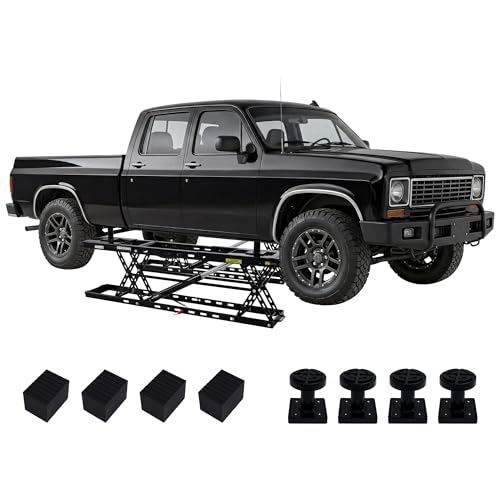 Albott 8000 LBS Portable Car Lift for Home Garage
|
7.8/10 | Buy | |
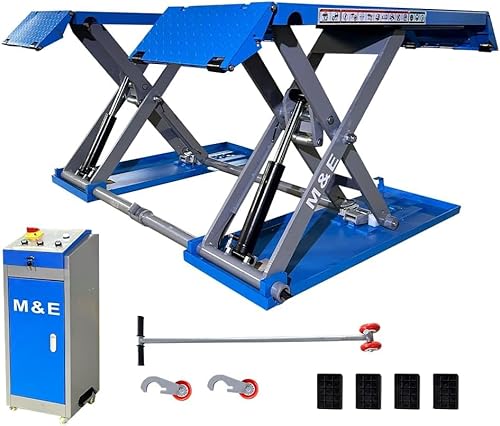 7700lbs Mid Rise Scissor Lift Pneumatic Release
|
7.8/10 | Buy |
Evaluating the True Investment of a Residential Car Lift
Determining the actual financial commitment for a home automotive hoist involves calculating equipment tiers, facility preparation, specialized delivery logistics, and routine maintenance overhead. While advertised equipment prices attract immediate interest, ancillary setup expenses frequently represent a substantial portion of the total project budget. Understanding how these mechanical and structural requirements interact allows garage owners to plan their installation efficiently without facing unexpected project delays.
Primary Equipment Architecture and Price Categories
Equipment design serves as the primary structural cost driver when planning a residential workshop hoist. Portable frame-engaging scissor systems, such as the Albott mobile units, represent the most budget-conscious tier of vehicle elevation machinery. These low-profile scissor frames utilize collapsible hydraulic assemblies and separate hydraulic pumping carts, allowing mechanics to perform brake jobs and wheel rotations without anchoring hardware directly into the concrete floor. Because they require minimal site modification and store flat against garage walls, portable units keep total capital outlay low while delivering reliable frame-contact lifting for sedans and light crossovers.
Mid-rise scissor platforms and mobile two-post designs occupy the intermediate budget tier for residential automotive enthusiasts. Systems like the DigMaster portable two-post lift offer elevated working heights reaching over fifty inches, providing substantial under-chassis access for exhaust work and fluid changes without permanent post anchoring. Similarly, mid-rise scissor hoists with drive-up platform ramps, such as units from Motool Technology, provide higher lifting capacities and pneumatic safety lock releases while maintaining a compact workshop footprint. These intermediate options demand higher equipment investment than entry-level portable frames, yet they remain significantly more economical than permanent commercial hoists because they avoid deep foundation excavation.
Full-height, clear-floor two-post hoists represent the higher-tier investment for home workshops and dedicated vehicle restoration bays. Heavy-duty models from brands such as WEIZE and KATOOL provide lifting capacities reaching eleven thousand pounds, supported by dual hydraulic cylinders and rigid structural steel columns. These permanent units allow technicians to walk upright underneath lifted diesel pickup trucks, full-size SUVs, and commercial vans. However, securing one of these towering systems demands significant financial commitment beyond the crated hardware, including substantial structural anchoring and dedicated electrical wiring.
Concrete Slab Thickness, Compressive Strength, and Foundation Work
Structural concrete preparation represents one of the most frequently underestimated expenses when installing a surface-mounted hoist. Fixed two-post lifts concentrate thousands of pounds of vertical load and severe dynamic leverage onto relatively small baseplates anchored into the floor. Most equipment manufacturers mandate a minimum concrete slab thickness of four inches, though heavy-duty columns frequently specify five or six inches of reinforced concrete. Furthermore, the slab must exhibit a cured compressive strength of at least three thousand pounds per square inch, aged for a minimum of twenty-eight days to ensure full tensile integrity.
Testing an existing residential floor is an essential preliminary step that carries its own modest equipment and labor costs. Homeowners should perform core drilling or non-destructive test drilling in several column mounting locations to verify true slab depth rather than relying on residential building plans. Garages constructed over post-tensioned cable slabs present severe financial and safety risks, as severing a tensioned structural tendon can cause catastrophic slab failure and expensive structural repairs. Scanning a post-tension slab using ground-penetrating radar equipment requires hiring a specialized structural scanning contractor, adding a distinct upfront line item to your project budget.
Discovering an inadequate concrete slab requires pouring dedicated foundation footings before bolting down vertical columns. This process involves saw-cutting rectangular sections of the existing garage floor, excavating down twelve inches or more, tying rebar cages, and pouring fresh high-strength concrete. Hiring concrete cutting and pouring contractors to construct structural pads can easily double the overall financial investment required for your lift installation. Skipping this critical engineering step to save money risks anchor bolt pull-out, column tipping, and catastrophic vehicle drop accidents.
Ceiling Clearance, High-Lift Door Tracks, and Overhead Expenses
Vertical clearance limitations inside residential garages regularly generate unexpected expenses during equipment commissioning. Standard residential garage ceilings measure between eight and ten feet, which restricts the overhead travel of full-size vehicles on vertical columns. Overhead clear-floor two-post hoists feature rigid crossbeams and safety shutoff bars that often stand between nine and twelve feet tall. Garage owners must carefully measure the distance between the floor and roof joists, lighting fixtures, and garage door assemblies before selecting equipment.
Overhead garage door hardware frequently clashes with lifted vehicles, requiring mechanical door track reconfigurations. Standard horizontal door tracks hang low across the ceiling bay, directly blocking the path of an elevated vehicle roof or hood. Converting a standard garage door track to a high-lift track configuration routes the door panels closely against the ceiling contour, maximizing usable vertical lift travel. Purchasing high-lift conversion hardware and paying a qualified garage door technician to re-tension torsion springs represents a common auxiliary expenditure for lift buyers.
Center-mounted garage door openers also occupy prime ceiling space needed for vertical vehicle elevation. Replacing a traditional ceiling-hung drawbar opener with a direct-drive, wall-mounted jackshaft opener clears the entire center bay above the vehicle. These wall-mounted openers clamp directly onto the torsion tube beside the door header, providing whisper-quiet operation and completely open overhead space. Investing in jackshaft openers and high-lift track modifications adds to project costs, but it enables full utilization of high-rise hydraulic vehicle hoist systems in residential spaces.
Electrical Panel Capacity and Dedicated Power Unit Wiring
Power supply requirements introduce an important electrical contracting expense when setting up automotive hydraulic pumps. Basic portable scissor lifts sometimes utilize standard one-hundred-ten-volt power units that plug into conventional household wall outlets. However, full-height two-post hoists and mid-rise lifts from manufacturers like KATOOL and WEIZE feature heavy-duty three-horsepower or four-horsepower motors operating on two-hundred-twenty-volt single-phase power. Running a heavy hydraulic motor requires a dedicated twenty-ampere or thirty-ampere circuit breaker to avoid nuisance tripping during peak hydraulic pressure surges.
Detached workshops and older residential garages often lack surplus capacity in their main breaker panels. Installing a dedicated two-hundred-twenty-volt branch circuit may require adding a subpanel, running heavy-gauge copper conduit across the garage interior, and installing industrial disconnect switches near the operator station. Certified electrical work ensures compliance with regional building codes and prevents dangerous voltage drops that could burn out motor windings. Factoring licensed electrician labor and wiring materials into your initial financial budget avoids stalled installation schedules and ensures safe power delivery.
Freight Shipping Logistics, Liftgate Fees, and Delivery Offloading
Receiving crated automotive service equipment introduces substantial shipping and logistical expenses that many first-time buyers overlook. Heavy two-post columns, steel crossbeams, and hydraulic power units are shipped via less-than-truckload freight carriers on long flatbed or enclosed trailers. Because crated hoists weigh between twelve hundred and over two thousand pounds, conventional freight carriers cannot offload them using standard truck bed liftgates. Product listings from brands like KATOOL explicitly specify that the receiving buyer is strictly responsible for offloading heavy machinery upon delivery.
Home mechanics without a commercial loading dock or personal forklift must arrange specialized local unloading equipment. Arranging a local flatbed rollback tow truck operator to meet the delivery carrier and winch the heavy steel crates to ground level is a proven offloading method. Alternatively, buyers can arrange terminal pickup, transporting crated steel columns from the regional freight terminal back to their home on a utility trailer. Both approaches involve auxiliary rental or service fees, which should be anticipated within the total capital outlay for large heavy-duty shop lift models.
Assembly Options: Professional Installation Versus DIY Labor Costs
Equipment assembly presents a distinct financial choice between spending personal labor hours or hiring certified equipment installers. Erecting heavy vertical columns, plumbing overhead crossbeams, routing steel equalization cables, and setting heavy baseplate wedge anchors requires multiple capable workers and heavy lifting equipment. Do-it-yourself installers need specialized tools, including heavy rotary hammer drills, industrial torque wrenches, magnetic machine levels, and engine hoists to position steel columns upright safely. Purchasing or renting these specialized tools adds directly to overall setup expenses when assembling machinery at home.
Hiring professional automotive lift installers eliminates installation labor and ensures precise mechanical alignment. Professional installation crews possess heavy-duty concrete drilling equipment, laser alignment tools, and extensive experience shimming column baseplates. Professional technicians also calibrate mechanical safety lock ladders, tension synchronization wire ropes evenly, and bleed air from dual hydraulic cylinders to ensure smooth carriage movement. Paying for experienced installation labor provides invaluable peace of mind, though it represents a major portion of the overall investment.
Essential Operating Accessories, Hydraulic Fluid, and Anchor Hardware
Commissioning an automotive hoist requires several essential operational accessories and consumable fluids that rarely come fully packaged with the lift. Hydraulic power units are typically shipped without hydraulic oil due to commercial freight regulations. Systems require three to five gallons of premium hydraulic oil, such as ISO grade thirty-two or grade forty-six anti-wear fluid, to charge reservoirs and twin hydraulic cylinders. Budgeting for industrial-grade hydraulic fluid and proper filling funnels is an immediate operating necessity before cycling any new pump.
Lifting diverse vehicle body styles demands specialized frame engagement adapters and protective pads. While rubber lift pads prevent damage to unibody pinch welds, lifting body-on-frame trucks and large SUVs requires drop-in truck height adapters and frame cradle pads. Frame cradle pads wrap securely around boxed or channel truck frame rails, preventing heavy chassis from slipping during suspension articulation. Purchasing accessory adapter sets, magnetic tool trays, and column-mounted work lights represents a practical investment that enhances vehicle safety and daily convenience.
Long-Term Maintenance Overhead and Routine Inspection Expenses
Ongoing maintenance overhead ensures that mechanical safety assemblies and hydraulic circuits remain dependable over decades of service. Hydraulic cylinders, pressurized hoses, and motor valves require periodic inspection for weeping seals and fluid contamination. Flushing and replacing hydraulic oil every few years removes moisture, microscopic steel wear particles, and degraded friction inhibitors from the power unit. Maintaining proper fluid purity protects internal pump gears and cylinder piston seals, preventing costly component replacements down the road.
Mechanical safety systems require regular hardware torque audits and cable tension balancing. Steel wedge anchor bolts must be periodically checked with a calibrated torque wrench to ensure they maintain manufacturer-specified clamping force against the concrete slab. Dual equalization wire ropes stretch naturally during their initial operational cycles and must be re-tensioned to ensure simultaneous safety lock engagement. Budgeting modest annual amounts for heavy-duty aerosol chain lubricant, replacement slider block pads, and replacement rubber lift pads keeps machinery operating at peak safety.
Balancing Total Investment Against Usability and Safety Margins
Evaluating the total financial outlay of an automotive lift installation ultimately centers on comparing cumulative costs against personal utility and shop efficiency. When factoring equipment purchase prices alongside electrical service upgrades, concrete verification, delivery offload services, and essential hydraulic fluids, the true project investment is significantly higher than the equipment price tag alone. However, gaining the ability to perform comprehensive suspension rebuilds, exhaust fabrication, brake overhauls, and fluid maintenance at comfortable standing heights saves thousands in commercial repair labor over time. Allocating adequate financial resources to professional installation and certified equipment guarantees that your residential workshop upgrade delivers exceptional convenience without compromising personal safety.
About the author
Emily Markham is an automotive aftermarket editor who has covered professional tools, workshop equipment, and the businesses that support vehicle repair since 2019. Her editorial background gives her a practical understanding of how technicians and shop owners evaluate equipment, product value, and long-term support.