
How to Change Hydraulic Fluid in a Floor Jack Safely: A Practical Step-by-Step Guide for 2026
Learn how to change hydraulic fluid in a floor jack safely during October 2026 to maintain lifting power, bleed air, and protect hydraulic seals.
 By Hank O'Hop
Updated October 13, 2026
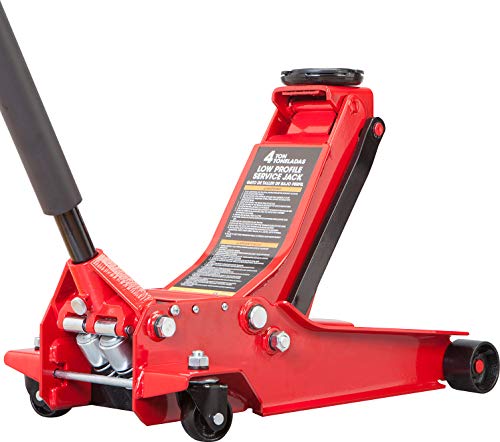
Spongy handle resistance, gradual cylinder settling under load, and an inability to reach full extension height often point directly to compromised hydraulic fluid inside a garage service jack. Over extended periods of seasonal shop use, hydraulic oil breaks down, absorbs atmospheric moisture, and collects fine particulate debris that wears down internal nitrile O-rings and valving. Learning how to change hydraulic fluid in a floor jack safely restores firm pumping pressure and safeguards internal valves against premature mechanical failure. Clean oil ensures that internal check balls seat firmly, allowing the hydraulic ram to transfer lifting forces without dangerous pressure loss.
Many home mechanics overlook fluid maintenance until their floor jack struggles to elevate a vehicle to full working height. Routine hydraulic servicing requires specific practices, starting with the strict use of dedicated anti-foaming hydraulic jack oil rather than motor oil or corrosive brake fluid. When you service your lifting tools, remembering that a hydraulic jack is strictly an elevation device rather than a static load-holding tool remains essential for garage safety. Before crawling underneath any lifted chassis, transferring vehicle weight onto mechanical jack stands versus vehicle ramps ensures that mechanical locking points support the load instead of pressurized hydraulic fluid.
| Award | Product | BJL Score About BJL ScoreThe BJL Score is our own rating from 0 to 10, based on performance, design and build, ease of use, and value. It reflects independent research and is never influenced by manufacturers, retailers, or affiliate commissions. Learn more › | |
|---|---|---|---|
| Best Overall |
BIG RED 4-Ton Low Profile Floor Jack
|
9.2/10 | Buy |
| Best Premium |
 Stark USA 35-Ton Heavy Duty Air Hydraulic Floor |
9.2/10 | Buy |
| Best Budget |
 BIG RED 2-Ton Hydraulic Trolley Floor Jack |
9.1/10 | Buy |
| Best Value |
 Antlevix 3-Ton Low Profile Floor Jack |
8.9/10 | Buy |
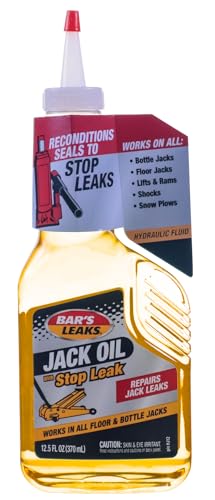 Bar's Leaks Hydraulic Jack Oil with Stop Leak 12.5 |
8.6/10 | Buy | |
 Torin 3-Ton Hydraulic Floor Jack |
8.4/10 | Buy | |
 OFBAND 16-Piece 3-Ton Floor Jack Seal Kit |
8.0/10 | Buy |
BIG RED 4-Ton Low Profile Floor Jack
Engineered for both low-clearance cars and heavy-duty trucks, this hydraulic jack delivers an 8,000-pound capacity with a versatile 3-7/8 to 20-inch range. The dual-piston pump speeds up lifting significantly, while a wide steel stance provides dependable stability during garage maintenance.
Pros
- Low 3-7/8 inch minimum clearance height
- Fast dual-piston lifting mechanism
- Substantial 4-ton load capacity
- Smooth maneuvering with 360-degree swivel casters
- Built-in safety overload bypass system
Cons
- Very heavy at over 100 pounds
- Large 31-inch frame demands substantial storage space
- Manufacturer warranty is limited to one year
Stark USA 35-Ton Heavy Duty Air Hydraulic Floor
Delivering an immense 70,000-pound capacity, this Stark USA 35-ton air-hydraulic service jack pairs heavy-duty steel construction with a 48-inch pneumatic control handle and four extension adapters for heavy commercial vehicles. It is built for fleet operators, diesel shops, and heavy equipment mechanics needing effortless air-powered axle lifting.
Pros
- Massive 70,000-pound commercial capacity easily handles heavy-duty truck axles, buses, trailers, and farm equipment
- Air-actuated hydraulic power unit allows rapid, effortless lifting using standard shop air lines
- Oversized 8-inch hard rubber wheels maneuver over rough shop floors and outdoor pavement far better than small steel casters
- Comes equipped with four stackable steel extension adapters (10mm, 25mm, 60mm, 100mm) for varied frame heights
Cons
- Substantial 94.5-pound dry weight requires deliberate effort to roll and makes transport in standard vehicle trunks impractical
- Requires an external shop air compressor to operate the pneumatic hydraulic power unit
- Chassis profile and high capacity are specialized for heavy commercial platforms and unsuited for low-profile passenger cars
BIG RED 2-Ton Hydraulic Trolley Floor Jack
Built for standard passenger vehicles, this compact steel trolley jack provides 4,000 pounds of lift alongside a dedicated blow-mold storage case. Its integrated bypass valve prevents overloading, offering dependable utility for garage maintenance and trunk-stored roadside prep.
Pros
- Includes hard case for clean vehicle storage
- Built-in safety bypass prevents overloading
- Dual swivel casters provide smooth positioning
- Durable heavy-duty steel frame
Cons
- Not recommended for SUVs or pickup trucks
- Limited 13-inch maximum lifting height
Antlevix 3-Ton Low Profile Floor Jack
With a low 2.9-inch minimum clearance and dual-piston rapid lifting, this 3-ton hydraulic jack easily slides under lowered vehicles and raises them up to 19.8 inches. Its rigid steel build ensures dependable stability, though the 62-pound weight makes frequent transport more demanding.
Pros
- Low 2.9-inch clearance fits lowered vehicles
- High 19.8-inch maximum lift reach
- Dual-piston pump provides fast lifting speed
- Rigid steel construction ensures lifting stability
Cons
- Heavy 62-pound weight reduces portability
- Bulky frame requires significant storage space
Bar's Leaks Hydraulic Jack Oil with Stop Leak 12.5
Formulated to stop weeping seals and maintain hydraulic pressure, this 12.5-ounce jack oil works across bottle jacks, floor jacks, and snow plow systems. Its non-corrosive, non-foaming chemistry blends safely with petroleum, mineral, and synthetic hydraulic fluids to keep your lifting equipment operational.
Pros
- Rejuvenates aging rubber and synthetic seals to stop active external oil leaks and internal pressure bypass
- Non-foaming chemistry prevents spongy pumping handle feel and maintains positive hydraulic stroke displacement
- Fully compatible with synthetic, petroleum, and mineral-based hydraulic oils used across major jack brands
- Safe for delicate check valves and small fluid orifices thanks to a non-clogging, non-corrosive formulation
Cons
- Cannot fix torn, mechanically sheared, or physically missing internal seals or severely gouged cylinder rams
- Filling tight rubber reservoir plugs on compact bottle jacks often requires a separate narrow funnel or fluid syringe
- Requires running a standard manual air-bleeding procedure after topping off to purge trapped air from the cylinder
Torin 3-Ton Hydraulic Floor Jack
Built for high-riding SUVs, trucks, and vans, this heavy-duty steel floor jack offers a 6,000-pound capacity and extends up to 20.8 inches. Its 360-degree rotational handle and sturdy caster system provide solid leverage and maneuverability around larger chassis.
Pros
- Generous 20.8-inch maximum height suits tall vehicles
- Durable heavy-duty steel chassis provides steady support
- Full 360-degree handle rotation aids tight-space positioning
- Overload bypass valve protects internal hydraulic components
Cons
- 5.8-inch minimum height sits too tall for low-clearance cars
- Single-piston pump requires more strokes than dual-piston designs
- Heavy steel construction adds bulk during transport
OFBAND 16-Piece 3-Ton Floor Jack Seal Kit
Designed to resolve fluid leaks and restore lifting capability, this 16-piece rebuild set provides essential replacement seals for 3-ton hydraulic floor jacks. The butyl rubber construction ensures solid oil resistance during regular maintenance.
Pros
- Oil-resistant butyl rubber prevents seal softening
- Comprehensive assortment covers primary leak points
- Helps restore lost hydraulic lift pressure
- Includes essential oil plug and retaining bowls
Cons
- Configured specifically for 3-ton jack assemblies
- Requires complete mechanical disassembly to install
Complete Technical Guide to Changing Floor Jack Hydraulic Fluid Safely
Fresh hydraulic oil provides the incompressible fluid column necessary for a floor jack to lift thousands of pounds securely. Over extended garage use, thermal expansion and ambient moisture contaminate the reservoir, causing degraded performance and potential internal corrosion. Learning how to change hydraulic fluid in a floor jack safely ensures that your equipment maintains its rated working load limit while preventing sudden pressure loss.
Recognizing When Hydraulic Jack Fluid Requires Replacement
Visual inspection of hydraulic fluid reveals clear signs of contamination before mechanical failure occurs. Clean hydraulic fluid typically displays a clear, pale amber hue with no floating debris. When hydraulic oil turns dark brown, black, or milky white, moisture and particulate matter have contaminated the reservoir. Milky fluid indicates water intrusion from humid storage, which quickly causes rust along polished cylinder walls.
Mechanical performance issues also signal the immediate need for a fluid change and air purge. A floor jack that requires dozens of pumping strokes to achieve minimal lift often suffers from aerated or degraded oil. Cylinder creep, where the lifting arm slowly drops under load, suggests that dirty oil prevents internal check balls from seating tightly. Replacing contaminated oil restores reliable valve seating and eliminates spongy resistance in the pumping handle.
Selecting the Correct Hydraulic Fluid and Avoiding Catastrophic Mistakes
Dedicated hydraulic jack oil formulated to ISO VG 22 or ISO VG 32 viscosity specifications represents the correct lubricant for manual service jacks. Quality jack oil includes specialized anti-foaming agents and anti-wear additives designed to withstand extreme localized contact pressures. Anti-foaming properties prevent air bubbles from entraining in the oil under rapid pumping cycles, ensuring immediate hydraulic lock when the piston cycles downward. Using the proper viscosity rating guarantees smooth fluid flow through internal metering orifices across varying shop temperatures.
Automotive fluids like motor oil, brake fluid, and automatic transmission fluid must never enter a hydraulic floor jack. Brake fluid is particularly destructive because glycol-ether compounds rapidly dissolve internal nitrile rubber O-rings, polyurethane cup seals, and nylon retaining washers. Motor oil contains detergent packages and viscosity modifiers that cause internal foaming, resulting in severe cavitation and loss of lift height. Automatic transmission fluid contains friction modifiers that soften and distort precision check valves.
Formulations such as Bar’s Leaks Jack Oil with Stop Leak – 12.5 oz offer targeted conditioning for aging hydraulic equipment exhibiting minor weeping around the main ram or pump piston. This petroleum-based lubricant includes non-corrosive conditioners engineered to rejuvenate hardened rubber seals and prevent future fluid loss without clogging valve passages. Compatible with standard petroleum and synthetic fluids, specialized stop-leak hydraulic oils help revive older service jacks that struggle to maintain pressure.
Essential Safety Preparation and Workspace Staging
A clean workspace prevents abrasive grit from entering sensitive internal hydraulic circuits during fluid service. Park the floor jack on a level concrete surface away from open airflow that could blow dirt across your tools. Thoroughly wipe down the exterior chassis, hydraulic power unit, and pump block with degreaser and clean shop towels before opening any ports. Even microscopic silica particles can scratch mirror-finish ram plating or wedge underneath internal check balls.
Prepare a shallow oil drain pan, a clean funnel with a narrow spout, and disposable nitrile gloves before opening the reservoir. Hydraulic oil irritates skin and creates serious slip hazards when spilled across smooth shop floors. Keep a supply of lint-free shop rags nearby to catch drips immediately, avoiding paper towels that shed fibrous lint into fluid chambers. Spent hydraulic fluid must be poured into a sealed container and transported to an automotive recycling center.
Safe equipment staging also requires adhering to sound automotive lifting practices whenever equipment is serviced or tested. Mechanics exploring garage lifting options often review safe vehicle elevation methods to understand how different elevation tools distribute vehicle weight across solid floor surfaces. Establishing a clean staging zone and knowing equipment limitations keeps garage maintenance safe and organized.
Locating the Oil Fill Plug Versus the Pressure Relief Valve
Locating the correct access port on the hydraulic power unit represents a critical step that confuses many equipment owners. The oil fill port is typically sealed with a flat rubber push-in plug or a low-profile threaded hex bolt positioned along the horizontal reservoir tube. On most trolley jacks, accessing this plug requires removing a stamped steel top cover plate secured by two small screws. This port leads directly into the low-pressure fluid reservoir surrounding the central high-pressure ram cylinder.
Floor jack power units also feature an overload bypass valve, which is usually covered with a metal cap or marked with factory paint. Factory engineers calibrate the internal spring-loaded bypass valve to vent fluid when an operator attempts to lift beyond the jack’s rated working load limit. Tampering with or loosening this bypass screw can alter the pressure relief threshold, causing the jack to fail catastrophically under load. Never remove or turn the bypass valve screw when performing routine fluid changes.
Step-by-Step Procedure for Draining Old Hydraulic Fluid
Complete fluid drainage begins by fully lowering the lifting arm to compress the main ram piston into its housing. Turn the operating handle counter-clockwise to open the universal joint release valve, ensuring that all residual hydraulic pressure bleeds out. Once the lift arm rests at its lowest collapsed height, verify that the release valve remains open throughout initial disassembly. This step prevents pressurized fluid from spraying outward when the rubber filler plug is dislodged.
Use a flat-blade screwdriver or a blunt pry tool to gently pry the rubber oil fill plug from the reservoir body without tearing the rubber lip. If the jack uses a threaded steel fill screw, use a properly fitted socket to prevent stripping the soft metal hex head. Inspect the filler opening immediately to ensure that no degraded rubber fragments fell into the reservoir. Set the plug aside in a clean container so it does not collect dirt from the workbench.
Position your catch pan alongside the jack, carefully roll the tool onto its side, and tilt the open filler port downward toward the pan. With the release valve open, manually pump the operating handle through several full strokes while tilting the unit to force stagnant fluid from the pump pistons. Slowly pull and push the main lifting arm back and forth to expel old fluid trapped behind the main cylinder seal. Allow the jack to drain completely until fluid stops dripping from the port.
Inspecting Internal Seals and Installing Replacement Hardware
Draining the old fluid provides an ideal opportunity to inspect the expelled oil for debris, metal flakes, or shredded seal material. Fine metallic shimmer in the oil indicates abrasive wear along the cylinder bore or piston plunger, often caused by dirt contamination. Large black rubber particles signify that internal O-rings or piston cups have deteriorated and require replacement before the jack can hold pressure reliably. If the fluid contains heavy sludge, flushing the reservoir with a small splash of clean hydraulic oil helps remove settled contaminants.
Installing rebuild components like the 16PCS Floor Jack Repair Sealing Tool Kit,3 Ton resolves persistent external weeping and internal pressure loss on standard three-ton service jacks. This rebuild kit includes oil-resistant butyl rubber O-rings, plunger oil seals, nylon retaining bowls, and replacement oil filler plugs engineered to withstand hydraulic fluid without softening. Replacing brittle gaskets and dry-rotted fill plugs ensures that your hydraulic system maintains an airtight seal and prevents fluid from weeping across your garage floor.
Refilling the Reservoir to the Correct Hydraulic Level
Place the floor jack back onto all four wheels on a completely level concrete floor before pouring in fresh fluid. Insert a clean, dry funnel into the open filler port, making sure the funnel tip does not introduce dust into the cylinder. Pour premium anti-foaming ISO VG 32 hydraulic jack oil into the reservoir in slow increments to allow displaced air to escape naturally. Rushing this pouring process creates air bubbles in the reservoir that complicate subsequent bleeding steps.
The correct fluid level sits approximately 3/16 inch to 1/4 inch below the lower rim of the oil filler hole when the jack is fully collapsed. Many equipment owners mistakenly fill the reservoir to the very top of the neck, which causes severe operational problems. Overfilling leaves no airspace for fluid expansion when the ram retracts under load, forcing hydraulic oil to blow out past the rubber filler plug. Underfilling leaves the intake port exposed, causing the pump pistons to ingest air bubbles and lose lifting stroke.
The Critical Air Bleeding and Purging Sequence
Air bleeding represents the single most crucial step after refilling a hydraulic floor jack. With the rubber oil filler plug still removed, rotate the handle counter-clockwise to open the release valve fully. Pump the handle rapidly through 15 to 20 full strokes while keeping the release valve completely open. This rapid cycling circulates fluid through the low-pressure pump passages, purging trapped air pockets back into the reservoir where they can escape into the atmosphere.
Next, turn the handle clockwise until the release valve closes completely, then pump the handle until the lifting arm extends to its maximum height. Once the ram reaches full extension, turn the release valve counter-clockwise and manually push the lifting arm down to its lowest collapsed position. Repeating this full-extension cycle two or three times forces stubborn air out of the high-pressure cylinder chamber and check valve assemblies. Push the rubber oil filler plug firmly back into the port and wipe away any oil residue from the cylinder exterior.
Verification Testing Under Controlled Garage Conditions
Never return a newly serviced floor jack directly to heavy vehicle service without performing systematic unloaded and loaded validation tests. Begin by testing the unloaded jack: close the release valve and count the pump strokes required to lift the saddle from its lowest profile to full extension. The lift arm should rise smoothly without hesitation, shuddering, or spongy pauses during the handle downstroke. Open the release valve to confirm that the arm lowers smoothly and retracts fully under its internal return springs.
Conduct a controlled load test by positioning the jack under a vehicle lift point, elevating the chassis a few inches off the ground, and observing the saddle position. Home mechanics performing general maintenance alongside elevating vehicles for routine oil changes understand that lifting equipment must remain steady before work begins. Let the vehicle rest on the pressurized jack for ten minutes while measuring the saddle height to ensure zero creeping occurs. Always position mechanical jack stands beneath reinforced chassis points before conducting any underbody inspection.
Differences in Fluid Service Across Floor Jack Architectures
Floor jack designs vary considerably, which influences how fluid service and air bleeding are performed across different chassis styles. Dual-piston service jacks, such as the Heavy-Duty 3-Ton (6,600 lbs) or the Big RED 4 Ton (8,000 lb) Hydraulic Low Profile, feature twin pump plungers that move larger fluid volumes per stroke. When bleeding dual-piston jacks, pump handle resistance engages much faster, requiring steady strokes to prevent fluid from foaming inside the pump block. Low-profile designs also feature longer horizontal oil reservoirs, requiring extra care to keep the chassis level during filling.
Compact trolley jacks like the BIG RED 2 Ton Hydraulic Trolley Service/Floor Jack and extended-height models like the Torin Hydraulic Trolley Service/Floor Jack use single-piston pumps and compact fluid chambers. These lighter steel units have smaller oil capacities, meaning that even a minor fluid loss of two ounces can cause a total failure to reach full extension. When servicing high-lift jacks that reach up to 20.8 inches, maintaining the exact recommended oil level proves critical for reaching top stroke height. Single-piston units often require a few additional purge strokes to clear air bubbles completely from the intake check ball.
Commercial heavy-duty lifting equipment like the Stark USA Heavy Duty 35-Ton Air Hydraulic Floor operates via an integrated pneumatic motor driving a massive hydraulic ram. Air-hydraulic service jacks feature self-retracting rams with specialized polyurethane sealing rings and require clean, dry compressed air alongside clean hydraulic fluid. Servicing commercial air jacks involves checking both the hydraulic oil reservoir level and adding pneumatic tool oil to the air inlet port to lubricate the air motor. Ensuring proper fluid maintenance on high-capacity commercial units guarantees dependable lifting power for heavy trucks and fleet vehicles.
Preventative Storage Habits to Maximize Hydraulic Seal Longevity
Proper storage habits play a direct role in preventing future fluid leaks and maintaining clean hydraulic oil over years of shop ownership. Always lower the lifting arm completely so that the polished chrome ram retracts entirely inside the outer cylinder housing before putting the jack away. Leaving the ram extended exposes the polished metal surface to airborne moisture and abrasive dust that cause micro-pitting and surface rust. When a pitted ram retracts during subsequent use, the rough metal edges slice through internal rubber wiper seals, initiating fluid leaks.
Store the floor jack with its release valve turned clockwise to the closed position to keep external contaminants from entering the fluid circuit. Keep the jack parked indoors on a dry concrete floor rather than on damp dirt or grass where ambient humidity accelerates corrosion. Wipe down the external pivot points, grease the caster bearings regularly, and inspect the rubber oil filler plug periodically to ensure it remains seated firmly. Following these straightforward preventative habits preserves hydraulic fluid integrity and keeps your lifting gear ready for dependable service.
Mastering how to change hydraulic fluid in a floor jack safely protects your investment in quality garage equipment and guarantees dependable lifting force when you need it most. Routine fluid replacement, proper oil level management, and systematic air purging eliminate common issues like spongy handle action and drifting lift arms. Always treat a hydraulic floor jack strictly as an elevation mechanism, never a static load-holding device, by transferring vehicle weight onto rated jack stands and chocking unlifted wheels before beginning any underbody repair work.
About the author
Hank O'Hop writes about automotive tools, hands-on repairs, and the challenges of maintaining and improving project cars. His published work covers workshop equipment, engine hoists, power tools, and garage upgrades, offering practical insights for readers who prefer to understand their equipment before putting it to work.