
Floor Jack Oil Change How Often Should You Replace It: Garage Maintenance Guide for 2026
Learn floor jack oil change how often should you replace it for October 2026 to maintain reliable hydraulic lifting power and garage safety.
 By Peter Nelson
Updated October 13, 2026

Spongy lift arms and sagging hydraulic rams often trace back to old, contaminated fluid inside the cylinder reservoir. Pumping a trolley jack repeatedly only to watch the saddle barely rise off the concrete floor wastes valuable garage time and creates dangerous lifting instability. Understanding floor jack oil change how often should you replace it helps preserve internal valve seals, maintain rapid dual-piston pump efficiency, and ensure maximum lifting capacity every time you raise a car. Never treat a hydraulic trolley jack as a stand-alone resting surface, because secondary support from dedicated jack stands is essential before crawling underneath any frame rail.
Most DIY garage owners rarely inspect fluid conditions until a slow bypass leak or stiff handle stroke forces the issue. Based on manufacturer specifications and routine maintenance data, checking your fluid levels annually and refreshing dirty oil prevents internal corrosion on polished steel pistons. When servicing your equipment, choosing the right accessories like tight-fitting oil plugs and durable rubber pads keeps fluid sealed and underbody pinch welds protected. If you often consider are car ramps safer than jack stands for your driveway repairs, remember that proper hydraulic maintenance remains vital regardless of your preferred lifting method.
| Award | Product | BJL Score About BJL ScoreThe BJL Score is our own rating from 0 to 10, based on performance, design and build, ease of use, and value. It reflects independent research and is never influenced by manufacturers, retailers, or affiliate commissions. Learn more › | |
|---|---|---|---|
| Best Overall |
Lyxheth 6-Pack 8mm Rubber Hydraulic Oil Reservoir
|
9.2/10 | Buy |
| Best Value |
 Viliqiou 5/16-Inch Jack Oil Plugs (20-Pack) |
9.2/10 | Buy |
| Best Budget |
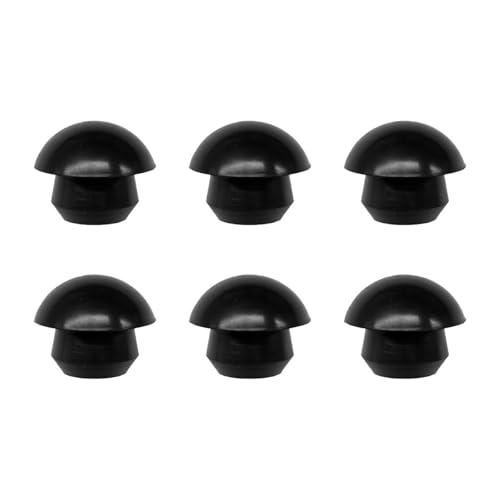 Tuxihapp 8mm Rubber Hydraulic Bottle Jack Oil |
8.9/10 | Buy |
| Best Premium |
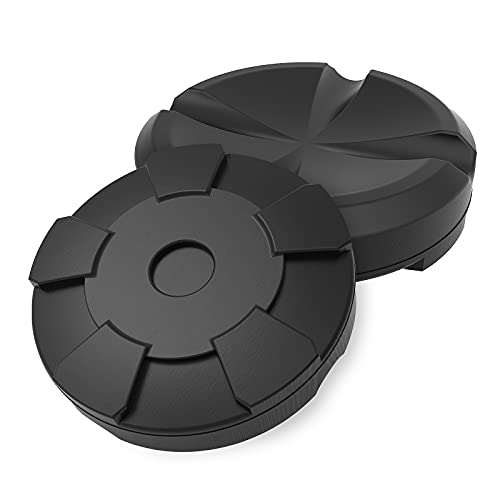 Jack Boss 4.17-Inch Rubber Jack Pads (2-Pack) |
8.8/10 | Buy |
Lyxheth 6-Pack 8mm Rubber Hydraulic Oil Reservoir
This six-pack of 8mm tapered rubber oil filler plugs by Lyxheth provides a practical replacement solution for cracked or missing hydraulic reservoir bungs on bottle and floor jacks. The push-in cone profile seats into standard 0.31-inch reservoir holes to help prevent fluid weeping and keep contaminants out of the hydraulic circuit.
Pros
- Tapered rubber profile seats firmly into standard 8mm (0.31-inch) reservoir fill ports
- Cost-effective six-pack provides multiple spares for service toolboxes and mobile repair rigs
- Pliable rubber construction helps prevent fluid weeping and resists hydraulic oil contact
- Press-in design allows quick replacement during fluid servicing without special tools
Cons
- Designed strictly for smooth 8mm (0.31-inch) openings and will not fit threaded ports or larger fill holes
- Lacks an integrated retaining tether, requiring care not to misplace the plug during fluid maintenance
- Rubber material may degrade over time if exposed to harsh cleaning solvents or extreme operating heat
Viliqiou 5/16-Inch Jack Oil Plugs (20-Pack)
Designed for routine hydraulic jack maintenance, these Viliqiou silicone plugs provide a snug, leak-resistant seal for standard 5/16-inch filler ports. The generous 20-piece pack ensures mechanics and shop owners always have spare stoppers ready.
Pros
- Durable silicone material resists tearing and degradation
- Flat-head design effectively seals against hydraulic leaks
- Tool-free installation and removal
- Generous 20-pack provides ample workshop spares
Cons
- Restricted to 5/16-inch filler ports
- Offered in only one color
Tuxihapp 8mm Rubber Hydraulic Bottle Jack Oil
This 6-pack of Tuxihapp 8mm tapered rubber oil filler plugs provides a snug, oil-resistant seal for hydraulic bottle jack and floor jack reservoirs. Designed to replace cracked, dry-rotted, or missing factory bungs, these plugs help prevent messy oil leaks during horizontal vehicle storage and keep contaminants out of your hydraulic fluid.
Pros
- Snug tapered conical profile designed for standard 8mm (0.31-inch) hydraulic reservoir ports
- Resilient, oil-resistant rubber compound resists hardening, cracking, and fluid weeping
- Tool-free press-in installation makes fluid flushes and reservoir air bleeding straightforward
- Economical 6-pack provides essential backups for shop toolboxes, farm trucks, and fleet rigs
Cons
- Specific to 8mm ports and will not fit jacks requiring threaded metal plugs or larger diameter bungs
- Tightly seated rubber can require careful prying with pliers or a dull pick during fluid service
- Repeated removal with sharp tools can gouge or tear the rubber over extended use
Jack Boss 4.17-Inch Rubber Jack Pads (2-Pack)
Designed to protect pinch welds and undercarriage finishes, these Jack Boss rubber pads feature a deep center groove and a sturdy 3-ton capacity per unit. They offer an accessible way to cushion vehicle contact points on compatible hydraulic floor jacks.
Pros
- High 3-ton weight rating per pad
- Durable rubber resists crushing and deformation
- Wide groove easily aligns with vehicle pinch welds
- Protects painted chassis parts from metal-on-metal contact
Cons
- Requires measuring jack saddle size to ensure proper fit
- Groove depth may not suit unusually tall pinch welds
- Not intended for heavy-duty commercial vehicles exceeding 3 tons
Garage Hydraulic Jack Maintenance FAQs
How often should you change the oil in a hydraulic floor jack?
Replace your hydraulic floor jack oil every one to three years depending on how frequently you use the tool. Home DIY mechanics lifting vehicles once or twice a month can easily maintain peak performance with a two-year fluid cycle. Heavy garage use or frequent mobile repairs demand annual fluid flushes to eliminate trapped moisture and metal particles. Fresh hydraulic fluid keeps release valves smooth and ensures maximum lifting height without pressure drop.
What are the symptoms of old or contaminated floor jack oil?
Spongy pumping resistance, slow lift arm elevation, and failure to hold rated load capacity signal degraded hydraulic oil. Contaminated fluid often looks milky or dark gray from suspended particulate wear and ambient moisture ingress. Air pockets mixed with degraded oil cause the jack saddle to sink slowly under curb weight. Draining the reservoir, replacing worn 8mm filler plugs, and refilling with clean oil restores proper system pressure.
Can you use standard motor oil or brake fluid in a floor jack?
No, you must never use motor oil, brake fluid, or transmission fluid in a hydraulic trolley jack. Automotive brake fluid damages synthetic rubber seals, causing rapid fluid leaks and complete hydraulic failure. Motor oil contains detergents and viscosity modifiers that prevent valves from seating properly. Always use dedicated ISO-standard hydraulic jack oil to protect internal bypass valves and ensure stable lifting.
Why does my floor jack fail to lift to maximum height after an oil change?
Trapped air inside the hydraulic cylinder is the primary reason a service jack fails to reach full stroke after an oil change. When refilling the oil chamber, air bubbles enter the pressure cylinder and compress rather than transferring fluid force. Bleeding the unit by opening the release valve, pumping the handle six to ten times, and sealing the fill port resolves this issue. Always ensure the oil reservoir is filled to roughly 3/16 inch below the filler hole.
How do rubber jack pads help during vehicle lifting and maintenance in 2026?
Rubber jack pads protect vehicle pinch welds and underbody paint from gouging against bare steel saddles. Distributing the frame contact pressure prevents structural bending on modern unibody rocker panels. If you are comparing lifting methods like how to use car ramps for oil change versus trolley jacks, using a slotted rubber puck on your jack saddle offers exceptional frame security. These pads also stop the steel frame rails from slipping during initial saddle contact.
Does Floor Jack Oil Change How Often Should You Replace It vary between aluminum racing jacks and heavy-duty steel trolley jacks?
No, the recommended oil change intervals remain virtually identical across both aluminum and steel hydraulic jacks. Aluminum racing jacks utilize the same sealed hydraulic ram design as heavy-duty steel service models. The main operational difference lies in overall chassis carry weight rather than internal hydraulic fluid demands. Maintaining clean oil and airtight reservoir plugs preserves pump piston performance on both styles equally.
About the author
Peter Nelson is an automotive writer whose published work includes off-road jacks, power tools, vehicle maintenance, and garage equipment. His coverage connects product features with practical applications, helping readers think through equipment choices for everyday repairs, project vehicles, and off-road situations.