
Why Is the Lifting Head on My Floor Jack Extremely Small? Engineering and Safety Guide for 2026
Learn why is the lifting head on my floor jack extremely small and how compact saddle engineering protects vehicle chassis components during garage lifting in October 2026.
 By Emily Markham
Updated October 13, 2026
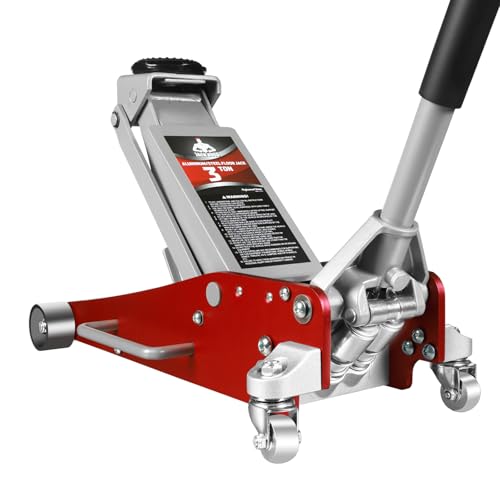
Positioning a hydraulic service jack under a modern car often raises immediate questions when looking down at the lifting arm. Vehicle underbodies are packed with fragile composite splash shields, delicate rocker moldings, and recessed structural points. Drivers frequently wonder why is the lifting head on my floor jack extremely small compared to the massive footprint of the vehicle itself. A compact saddle is not an accidental design flaw, but a deliberate mechanical choice engineered to target reinforced lift points while protecting surrounding components.
Hydraulic trolley jacks must navigate limited underbody space and clear low side skirts without binding against bodywork. Understanding this compact geometry helps garage mechanics choose between dedicated hydraulic lifts or examine whether using car ramps or jack stands offers the right stability for a given project. When paired with the right rubber pads and secondary mechanical stands, a small lifting head delivers pinpoint hydraulic force exactly where vehicle engineers intended.
| Award | Product | BJL Score About BJL ScoreThe BJL Score is our own rating from 0 to 10, based on performance, design and build, ease of use, and value. It reflects independent research and is never influenced by manufacturers, retailers, or affiliate commissions. Learn more › | |
|---|---|---|---|
| Best Overall |
Jack Boss 3-Ton Low Profile Floor Jack
|
8.8/10 | Buy |
| Best Value |
 Pro-Lift 2-Ton Low Profile Floor Jack |
8.3/10 | Buy |
Jack Boss 3-Ton Low Profile Floor Jack
Built with a hybrid aluminum and steel frame, this 3-ton floor jack pairs a low 3-15/16-inch minimum clearance with a dual-piston rapid pump. It serves as a versatile lifting solution for low-slung sedans as well as standard SUVs and minivans.
Pros
- Low-profile 3-15/16-inch minimum lifting clearance
- Fast elevation with dual-piston hydraulic pump
- Hybrid aluminum and steel frame construction
- Protective rubber saddle shields vehicle chassis
- Meets rigorous ANSI/ASME PASE safety standards
Cons
- At 58.5 pounds, it remains relatively heavy to transport
- 18-5/16-inch max height may be limiting for lifted trucks
Pro-Lift 2-Ton Low Profile Floor Jack
Built for vehicles with minimal ground clearance, this compact floor jack slips beneath chassis as low as 3-3/8 inches. Its solid steel construction and dual safety valves make it a practical option for routine passenger car maintenance.
Pros
- Low minimum clearance fits under lowered vehicles easily
- Patented bypass device prevents damage from over-pumping
- Heavy-duty steel construction provides solid durability
- Built-in safety valve prevents lifting beyond capacity
Cons
- 15-inch maximum lift height limits use on taller vehicles
- Two-ton limit is unsuitable for large trucks or SUVs
The Engineering and Safety Logic Behind Floor Jack Saddle Size
A floor jack lifting saddle appears surprisingly small when placed next to a multi-ton vehicle. Many DIY mechanics expect a wide, plate-sized platform to hold the car, yet most hydraulic service jacks feature a metal cup measuring only two to four inches in diameter. This compact footprint is an intentional engineering feature designed around vehicle structural geometry, dynamic arc movement, and chassis clearance constraints. A small lifting head enables precise contact with reinforced frame locations while actively preventing severe structural damage to surrounding body panels.
Targeting Reinforced Lift Points and Preventing Floor Pan Damage
Modern passenger cars and crossover vehicles utilize unibody construction rather than full perimeter steel frames. The underside of a unibody vehicle consists of thin pressed sheet metal floor pans that cannot support concentrated weight without buckling instantly. Automakers engineer specific reinforced lifting points, such as double-walled pinch weld seams or hardened subframe pads, to bear the localized stress of maintenance equipment. A compact lifting head focuses hydraulic force exclusively on these designated structural nodes rather than pressing upward against fragile sheet metal surfaces.
If a hydraulic floor jack were fitted with an oversized eight-inch lifting disc, that disc would bridge across both the reinforced pinch weld and the adjacent floor pan. As hydraulic pressure lifted the vehicle, the outer edge of the saddle would crush the floor pan inward or fold the rocker panel molding long before the vehicle reached service height. Confining the contact area to a small saddle allows the operator to isolate the load-bearing notch precisely. This design ensures that hydraulic energy transfers solely into the vehicle structure engineered to handle that dynamic load.
Trolley Jack Radial Arc Dynamics and Swing Arm Travel
Unlike vertical in-ground shop lifts or screw-type bottle jacks, a hydraulic trolley jack lifts along a radial arc. The primary lift arm pivots from a rear fulcrum pin, meaning the saddle moves upward and backward as the hydraulic cylinder pushes forward. To compensate for this shifting horizontal radius, the jack frame rolls forward on its steel casters to stay centered beneath the vehicle lift point. A small, circular saddle provides the necessary pivot clearance so the contact point can micro-adjust without creating destructive lateral friction.
A broad lifting pad would resist this natural rolling motion and introduce dangerous side-loading forces against the vehicle frame. When a large pad binds against an underbody surface during an arc lift, the jack wheels may skid, or the vehicle contact point may slide abruptly across the saddle face. The compact circular cup allows minor rotational freedom while the jack wheels pull forward across concrete. This self-centering behavior minimizes horizontal shear stress on the factory lifting tabs during elevation.
Minimum Collapsed Height and Low-Profile Chassis Packaging
Vertical packaging constraints play a vital role in determining how floor jack components are sized. Factory sports suspensions, aerodynamic ground effects, and flattened tires leave remarkably little space between the road and the vehicle underbody. A tall or wide lifting saddle adds vertical stack height to the front of the lift arm, preventing the jack from sliding under low vehicle rocker panels. Low-profile models engineered with compact saddles maintain an ultra-low entry height to access deep chassis points smoothly.
Equipment like the Pro-Lift Low Profile Floor Jack achieves a minimum collapsed height of just 3-3/8 inches by keeping its steel saddle compact and recessed into the lift arm. Similarly, the Jack Boss 3 Ton Low Profile combines a 3-15/16 inch starting clearance with a dual-piston pump assembly to provide fast access under lower chassis profiles. When working on lowered platforms where even a shallow saddle cannot slide underneath, builders often look into low-profile car ramps to create enough initial tire elevation for hydraulic service equipment. A small saddle profile remains the primary tool feature that keeps the jack versatile across diverse ride heights.
Avoiding Surrounding Hydraulic Lines and Plastic Underbody Cladding
Modern vehicle undercarriages are packed with delicate plumbing, sensors, and protective plastic aerodynamic covers. Factory pinch welds frequently sit less than one inch away from plastic rocker trim, rear parking brake cables, or high-pressure brake hard lines. An oversized lifting cup would overlap these delicate components and crush them against the steel frame during the first pump stroke. A compact saddle gives the technician clear visual line-of-sight to verify that nothing fragile is trapped beneath the contact perimeter.
Electric and hybrid vehicles present even stricter packaging requirements along their lower chassis perimeters. High-voltage battery pack housings often sit flush with the interior edge of the vehicle rocker structure, leaving an extremely narrow perimeter for service contact. Placing a wide saddle near these battery pack enclosures risks denting the protective casing or breaching internal cooling channels. The modest diameter of a standard service jack head allows technicians to isolate designated lift blocks without touching sensitive battery hardware.
The Vital Distinction Between Dynamic Lifting and Static Support
One of the most dangerous garage misconceptions is assuming that a floor jack saddle is meant to act as a wide resting base for prolonged automotive work. A hydraulic floor jack is exclusively a dynamic lifting device, never a static load-holding platform. Internal hydraulic components rely on rubber and nitrile O-ring seals, which can suffer gradual pressure loss or sudden fluid bypass if kept under static load. The saddle is made small because its sole mission is to raise the vehicle safely until secondary mechanical supports are deployed.
Wide load distribution belongs on mechanical jack stands, which feature broad steel bases and contoured cradles to stabilize elevated vehicles securely. Garage mechanics often measure vehicle lift height requirements to ensure their hydraulic jack raises the chassis high enough to clear mechanical stand teeth easily. Once the vehicle reaches the desired service height, the weight must immediately transfer from the small hydraulic saddle onto rated jack stands. Leaving a car balanced solely on a compact hydraulic saddle invites tipping, seal blowout, and catastrophic garage accidents.
Saddle Adapters and Protecting Factory Pinch Weld Seams
While small metal saddles protect surrounding vehicle panels, their concentrated steel perimeter can bend bare pinch weld flanges if applied directly. Vehicle manufacturers coat these structural seams with anti-corrosion primer and rubberized undercoating to prevent rust. Bare metal-on-metal contact between a small saddle and a thin pinch weld can scrape away this protective layer or curl the sheet metal flange. Incorporating a dedicated rubber saddle pad or a slotted polyurethane puck bridges this gap safely.
The Jack Boss 3 Ton Low Profile addresses this issue directly by supplying a fitted rubber saddle pad that cushions the vehicle frame against the steel head. Slotted aftermarket adapters fit directly into the saddle recess, featuring a deep center groove that cradles the pinch weld seam without crushing its bottom edge. The adapter supports the reinforced vehicle floor on both sides of the flange while maintaining the small overall footprint of the lifting arm. This setup gives mechanics the benefit of a compact contact head without risking paint chips or folded metal.
Rated Capacity Versus Saddle Surface Area
A common point of confusion is whether a small lifting head has enough physical strength to support heavy vehicle tonnage. Hydraulic lifting capacity is determined by internal fluid pressure and cylinder diameter, not the surface area of the saddle. Solid steel saddles are forged or cast to withstand thousands of pounds of compressive force without bending or distorting. A 3-ton jack can safely elevate a full-size SUV corner through a small steel head because the structural metallurgy is rated well beyond the vehicle load.
When elevating one axle or corner of an automobile, the floor jack only supports approximately fifty to sixty percent of the vehicle gross curb weight. For instance, lifting the front end of a four-thousand-pound crossover places roughly twenty-four hundred pounds of load on the hydraulic mechanism. A two-ton model like the Pro-Lift Low Profile Floor Jack, with its solid steel construction and four-thousand-pound rating, handles this localized weight with ample safety overhead. High-strength materials ensure that a compact saddle carries extreme compressive loads without requiring a cumbersome, oversized footprint.
Frame Metallurgy and Maneuverability Benefits
Keeping the lifting saddle compact reduces unsprung mass at the far end of the jack lift arm. Long-reach and low-profile jacks require substantial structural rigidity to resist twisting, particularly when navigating rough garage concrete. Heavy steel side plates provide long-term workshop durability, but adding unnecessary weight at the front saddle would make the tool unwieldy to roll and steer. By optimizing saddle diameter, manufacturers keep the center of gravity balanced across the wheelbase.
Hybrid service jacks that combine aluminum side plates with welded steel lift arms highlight this engineering balance. The aluminum chassis keeps overall tool weight low for mobile paddock use, while the compact steel saddle delivers high yield strength directly at the vehicle contact interface. Dual-piston hydraulic mechanisms, such as the rapid-pump system on the Jack Boss unit, quickly extend the lift arm to meet the vehicle chassis in just a few handle strokes. Once the compact saddle makes contact, the operator can precisely verify alignment before applying full hydraulic pressure.
Safe Jack Positioning and Weight Transfer Protocol
Operating a floor jack with a compact saddle requires strict alignment discipline before initiating a lift. The vehicle must be parked on a smooth, level concrete surface with the parking brake engaged and transmission set in park or reverse gear. Solid rubber wheel chocks must be placed against the tires remaining on the ground to prevent vehicle movement in either direction. The technician should slide the jack beneath the designated lift point, visually verifying that the saddle cup aligns directly under the reinforced factory marking.
Slowly pump the handle until the small saddle just kisses the vehicle frame, then halt the lift to double-check positioning. Ensure that the pinch weld or crossmember sits squarely in the center of the saddle rather than resting precariously on the outer perimeter rim. Once proper centering is confirmed, complete the elevation to the required clearance height. Immediately insert ASME PASE rated jack stands beneath secondary reinforced structural points, then slowly meter the release valve counterclockwise to lower the vehicle weight gently onto the stands. Verify rock-solid stability by gently pushing the bumper before starting any underbody maintenance.
About the author
Emily Markham is an automotive aftermarket editor who has covered professional tools, workshop equipment, and the businesses that support vehicle repair since 2019. Her editorial background gives her a practical understanding of how technicians and shop owners evaluate equipment, product value, and long-term support.